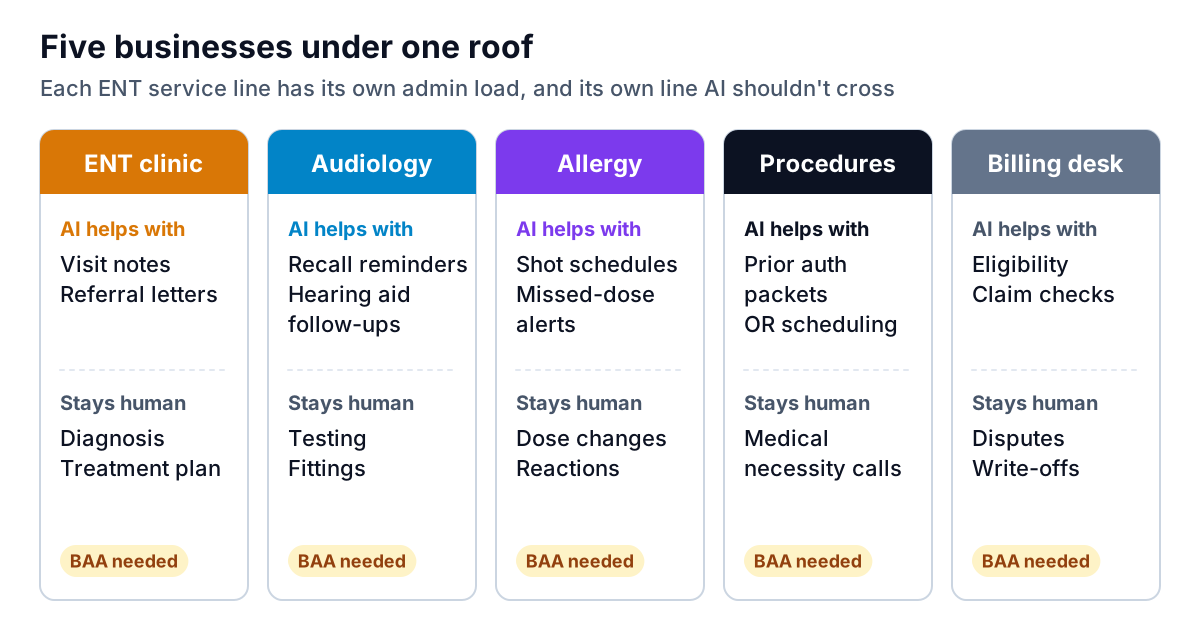
An ENT practice is really five small businesses sharing a front desk. The physicians run a specialty clinic and a surgical practice. Down the hall, audiologists run a hearing business that sells devices. The allergy room runs a weekly injection schedule for patients who come in for years. And the billing team works across all of them, mostly on the phone with payers about prior authorizations.
That's why a single list of "best AI tools for ENT clinic owners" is so unhelpful. A scribe that's great in a clinic room does nothing for the allergy nurse chasing missed shots, and a hearing aid recall tool does nothing for a denied sinus surgery authorization. This guide goes service line by service line: what the admin load is, where software helps, where it must stop, what HIPAA requires before you trial anything, and how to see which line is really carrying the practice.
AI tools for ENT clinic service lines, one by one
The ENT clinic: notes and letters
Ambient scribes are now standard in ENT-specific software. ModMed, for example, describes its otolaryngology EHR as connecting to its AI scribe, which it says is built for the language of otolaryngology. Independent scribes also integrate with general EHRs.
Two ENT-specific things to test in a pilot. First, exam findings: much of an ENT visit is what you see through an otoscope, a nasal endoscope or a laryngoscope, not what's said out loud. Check whether the draft leaves those sections for you to complete or invents something plausible. Second, the referral letter back to the primary care doctor. A tool that turns the signed note into a short, clear letter can save several minutes per new patient, but only if the letter is drafted from the note you signed, not from the raw transcript.
Audiology: recalls and follow-ups
Audiology runs on scheduled returns: annual hearing tests, hearing aid checks, warranty dates and battery or accessory reorders. Most of this is rule-based reminder work: send a recall eleven months after the last test, a check-in two weeks after a new fitting, a note before a warranty runs out. Your practice management system may already do it.
The market has also changed. Since October 2022, the FDA has allowed over-the-counter hearing aids for adults 18 and older with perceived mild to moderate hearing loss. Some patients will arrive having tried one. A good follow-up sequence still matters, but the testing, the interpretation and the fitting stay with your audiologists.
Allergy: the schedule nobody can afford to lose track of
Allergen immunotherapy means patients coming in on a fixed schedule for months or years, with vials that expire and doses that depend on when the last one was given. Software can do real work here: track each patient's next due date, flag missed visits within a day, and warn about vials nearing expiry. What it must not do is decide a dose. How to adjust after a missed injection or a reaction is set by your physicians' protocol and their judgement. The software's job is to put the right flag in front of the right nurse.
Procedures and surgery: authorizations and the OR
Sinus surgery, septoplasty, some imaging and some sleep studies often need prior authorization. This is where most ENT billing teams lose the most hours, and where tooling has improved most, covered in the next section. OR block scheduling is the other big job: matching surgeon blocks, equipment and authorizations so nobody is booked into a slot before the approval arrives.
The billing desk
Automatic eligibility checks before each visit, claim scrubbing for missing fields and a single queue for denials are the basics. Treat AI coding suggestions as a second reader, never the final word: the physician who signed the note and the coder who reviews it remain accountable.
The phone line all five share
One phone number usually serves every line, so the front desk spends its day sorting calls: a hearing aid that whistles, a shot appointment to move, a question about surgery prep, a payer asking for records. AI phone and messaging assistants can answer, identify which line a call belongs to and book or move routine appointments. Set two firm rules before you switch one on. Anything that sounds clinical, like new symptoms, bleeding after a procedure or a reaction after an allergy shot, goes straight to a nurse or the on-call line, never to a bot's reply. And every call the assistant can't classify goes to a person, not into a voicemail queue. When you compare AI tools for ENT clinic phones, ask each vendor to show you exactly how those two rules are configured and logged.
Prior authorization: the admin job most worth fixing
Prior authorization is part paperwork and part waiting, and both parts can be organised. The first step is simply seeing every request in one place, with the clock on each one.
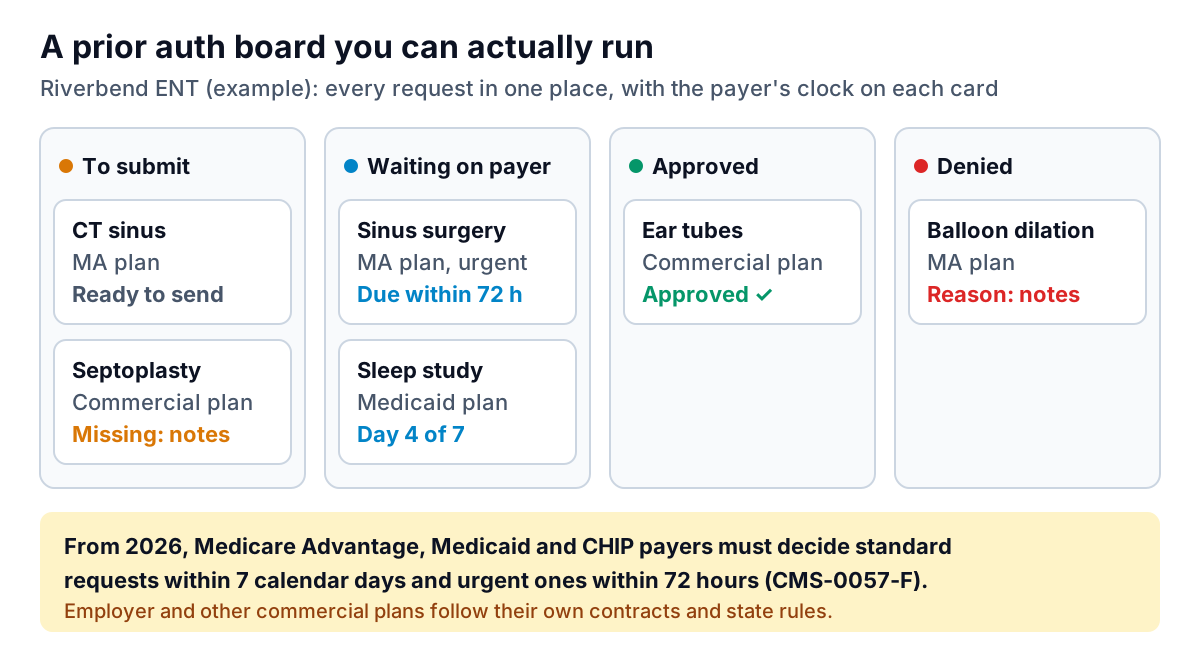
The rules changed this year for some payers. Under the CMS Interoperability and Prior Authorization final rule, Medicare Advantage organisations, state Medicaid and CHIP programs and Medicaid and CHIP managed care plans must, from 2026, send decisions within 72 hours for urgent requests and seven calendar days for standard ones, and give a specific reason when they deny. Electronic prior authorization interfaces follow from 2027. Employer and other commercial plans aren't covered by that rule, so their timelines depend on the plan and your state.
What software can do well:
- Build the packet. Pull the relevant parts of the signed note, imaging reports and prior treatment history into the format the payer wants.
- Check it before it goes. Flag missing elements against the payer's policy, for example documented duration of symptoms or prior medical therapy, before submission rather than after a denial.
- Watch the clock. Show each request's due date based on payer type and urgency, and flag anything overdue.
- Draft the appeal. When a denial comes back with a specific reason, draft a letter that addresses that reason from the chart.
What stays with the physician: whether the procedure is medically necessary, and signing anything that says so. An appeal letter is the physician's statement, not the software's.
HIPAA checks before any trial
- A BAA before real patient data. Any vendor that creates, receives, keeps or sends protected health information for you is a business associate. HHS's sample BAA provisions show what the contract needs, and its cloud guidance says encryption alone doesn't remove the need for one.
- Update your risk analysis. Recording in exam rooms and new patient apps are changes your Security Rule risk analysis should cover.
- Tell patients about recording. Put the scribe in your notice and consent process, let patients decline, and check your state's recording consent rules.
- Check tracking code on booking and hearing aid shop pages. HHS warns that tracking technologies on appointment pages can disclose health information to third parties. A page where someone books a hearing test or buys hearing aid supplies is a good place to look.
- Clinical AI is a separate decision. Software that interprets images or test results, or suggests a diagnosis, may be a regulated medical device. The FDA keeps a list of authorized AI-enabled devices. Any such tool is a decision for your physicians, not an admin purchase.
Know which service line carries the practice
Partners in multi-line ENT practices often have strong opinions about which line is profitable and fairly weak data. Before buying tools for a line, it's worth knowing what that line contributes.
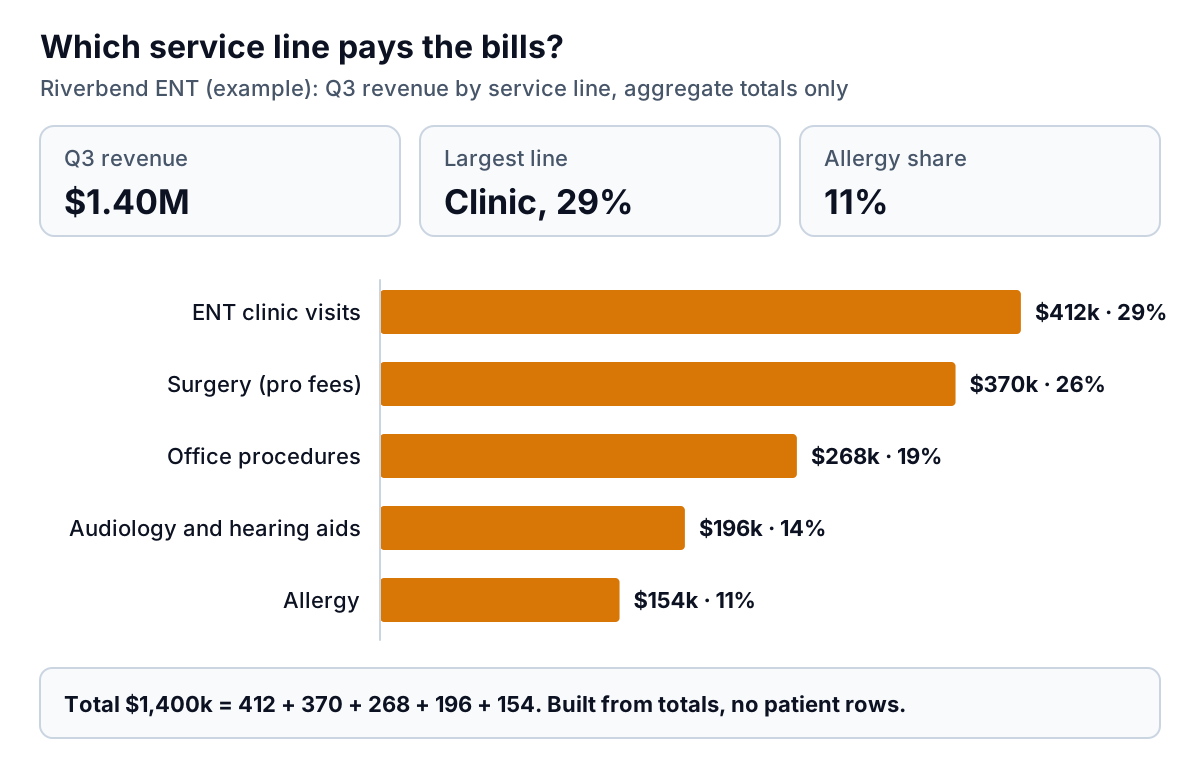
This kind of view comes from totals you can export from your practice management system: revenue, visit counts and provider hours by service line and month. Once you have it, better questions follow. What's revenue per provider hour in each line? What share of allergy visits are missed each month? How many hearing aids are returned within the trial period, by month?
Parity builds these reports. You upload a CSV or Excel export, describe what you want ("revenue and visits by service line by month, with share of total"), and it produces KPI tiles, charts and a written summary, with every number checked against queries on the full dataset before you see it. You can refine it in chat and export a PDF for the partners' meeting. One clear limit: Parity is not a HIPAA-covered tool, so use it only with de-identified or aggregate operational data like the totals above, never with patient names, dates of birth, procedure dates or anything from a chart. HHS sets out what de-identified means in its de-identification guidance. If your export starts life as a spreadsheet of totals, our guide to AI tools for Excel reports shows how to get from there to a report people will read.
Costs, contracts and a first 60 days
Ask every vendor for an all-in annual price for your number of providers and locations, including setup, EHR integration, training and support. Common models are per-provider monthly fees for scribes, per-location fees for patient messaging and a percentage of collections for outsourced billing. Ask too what happens to your data, including audio and transcripts, when the contract ends.
A sensible first 60 days:
- Weeks 1–2: pull revenue, visits and provider hours by service line for the last two quarters. Decide which line has the biggest admin problem relative to its size.
- Weeks 3–4: set up a prior auth board, even if it's a shared spreadsheet at first, and track every request with its payer type and due date.
- Weeks 5–8: pilot one tool in one line, with a BAA, an updated risk analysis and patient notice in place. Measure before and after: minutes per note, first-time authorization approvals or missed allergy visits.
Practices with an optical shop or retail side will recognise the same split between clinical work and product sales; see AI solutions for an optometry practice. For high-volume walk-in care, the problems look different again, covered in AI tools for an urgent care center.
Upload aggregate totals by service line and month, and get a checked report your partners can read in five minutes. Build a report from your data free
The right AI tools for ENT clinic teams are the ones matched to a specific service line's problem, with clinical decisions left firmly with physicians and audiologists. This guide is general information, not legal, billing or medical advice. Check payer rules with your billing adviser and privacy questions with your compliance lead or a healthcare attorney.